


Frequently asked questions
Expert advice
Our team shares practical insights to help you make informed decisions and get the most from your print investment.
What should I consider before choosing a print partner?
Choosing a print partner is about more than comparing capabilities. Rather, it’s about finding a team that understands your brand, objectives, timelines, and quality expectations. Alongside proven print expertise, look for a partner who can provide guidance on materials, finishes, production methods, and delivery schedules.
In our experience, the most successful projects begin with early collaboration. Consequently, complex jobs such as school prospectuses, highly decorated labels, and branded publications often benefit from strategic advice that enhances both the process and the final result.
Ultimately, a trusted print partner helps you make informed decisions, reduce complexity, and achieve the best possible outcome.
A strong print partner acts as an extension of your team, helping you make informed decisions and achieve the best possible result.

What makes a high-quality print outcome?
A high-quality print outcome relies on the right combination of paper or substrate, colour management, high resolution images (typically 300DPI), quality inks, the most suitable print process, and expert finishing.
Using CMYK files for print and selecting finishes such as laminating, embossing, varnishing or foil stamping can significantly enhance both appearance and durability. In our experience, early decisions around stock and finishing have the greatest influence on perceived value, brand impact, and overall quality.
Ultimately, quality is defined by how well the finished piece reflects your intent, both visually and through its tactile qualities.

How do I choose the right paper, stock or finish for my project?
The right paper or finish depends on your purpose, audience and how the piece will be used. Weight, texture and durability all play a role in both brand perception and performance.
For example, a premium school prospectus may suit heavier stocks and subtle embellishments, while a food label needs to perform in real-world conditions like moisture or refrigeration. We can help you select stocks that meet your sustainability requirements, whether that’s recyclable or recycled.
Please note: recycled stock doesn’t always mean it’s better for the environment.
A considered paper choice doesn’t just support your design; it elevates the entire brand experience.

What’s the difference between digital and offset printing and when should I use each?
Digital and offset printing serve different purposes, with the best choice depending on quantity, turnaround time, and the desired outcome.
Digital printing applies ink or toner directly to the substrate without printing plates, making it ideal for short to medium runs, fast turnaround times, variable data printing, and multiple design variations. The latest generation of digital presses produces stunning print quality. Because digital printing requires little setup, it can significantly reduce paper waste and improve production efficiency, making it an ideal solution for projects where quality, speed, and sustainability are equally important.
Offset printing uses metal plates to transfer ink to paper, making it well suited to larger print runs where colour consistency and quality are critical over very high-volume print runs. Catalogues and large-scale publications benefit from the consistency of offset printing.
The best approach is to choose the print method that best supports the final result, not the other way around.
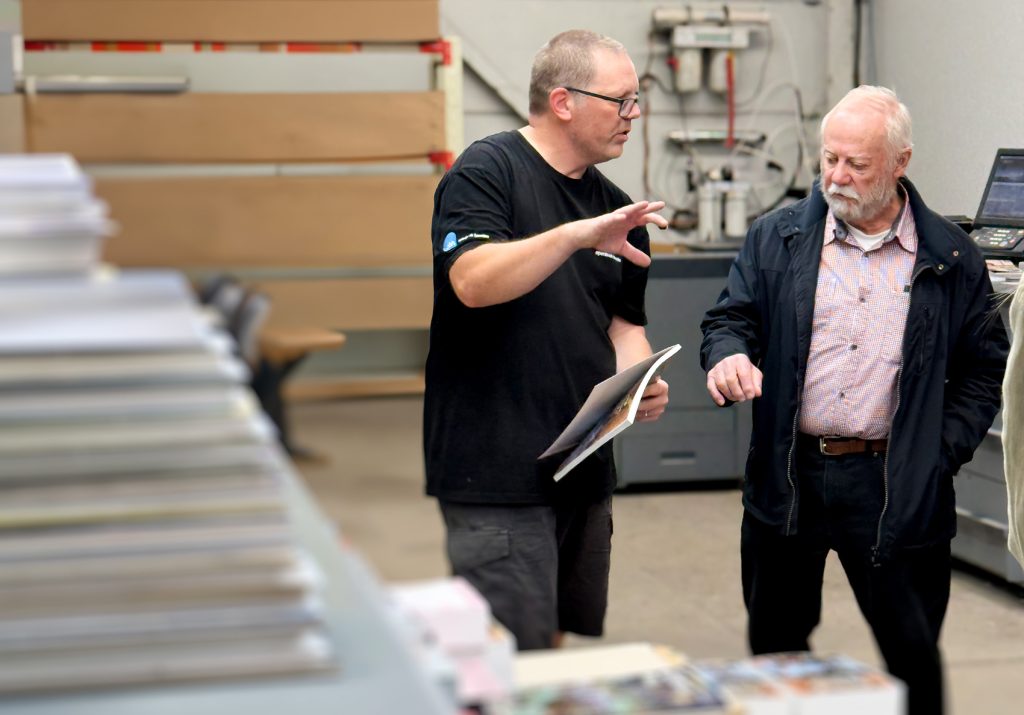
How long does a print project take from concept to delivery?
Print project timelines vary depending on the complexity, quantity, and finishing requirements. Simple jobs may take a few days, while more complex projects can take several weeks.
Key stages include design, pre-press and proofing, printing, binding and finishing, and delivery. Timelines can be affected by file preparation, proof revisions, material availability, and specialised finishes such as die-cutting, embossing, or foil stamping.
In our experience, projects such as school prospectuses and self-published books run most smoothly when timelines are planned early, allowing adequate time for material selection, proofing, and production.
Planning ahead gives you greater control over both timing and the quality of the final result.

What impacts the cost of printing?
The cost of printing is influenced by factors such as quantity, paper choice, format, finishing and production method. Each decision contributes to the overall cost, and even small changes can have an impact.
For example, finishes and materials may drive cost in labels, while format and binding are key considerations in publications. We work with clients to prioritise where investment will deliver the most impact, whether that’s shelf presence for a product or perceived value in a printed piece.
Well informed decisions early in the process help ensure your budget is working in the right areas.
How can print enhance brand perception?
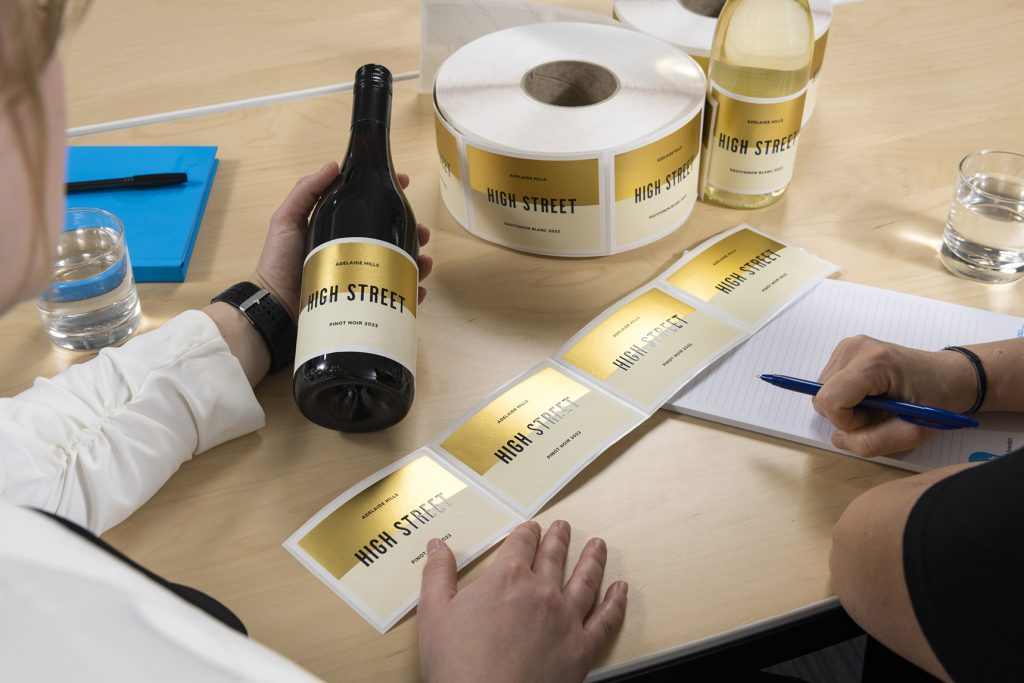
Print has a unique ability to shape how a brand is experienced, through touch, weight, texture and finish. Unlike a screen, print engages multiple senses, reinforcing quality, credibility and leaving a lasting impression.
We see this in both premium publications and food and beverage labels. A well-produced prospectus can reinforce a school’s identity long after a visit. While a thoughtfully finished label can help a product stand out on a shelf and communicate value in a crowded market.
Done well, print doesn’t just communicate your message, it strengthens how your brand is felt and remembered.

Can a printing company help with design and production planning?
Yes, an experienced printing partner can help shape both design and production decisions. Early involvement ensures ideas translate effectively into print and helps avoid issues later in the process.
At OBH, our inhouse design team work collaboratively from the start. This integrated approach helps minimise errors, streamline communication and maintain quality across every stage.
The earlier a printer is involved, the more value they can add to the final result.
What are common mistakes to avoid when preparing artwork for print?
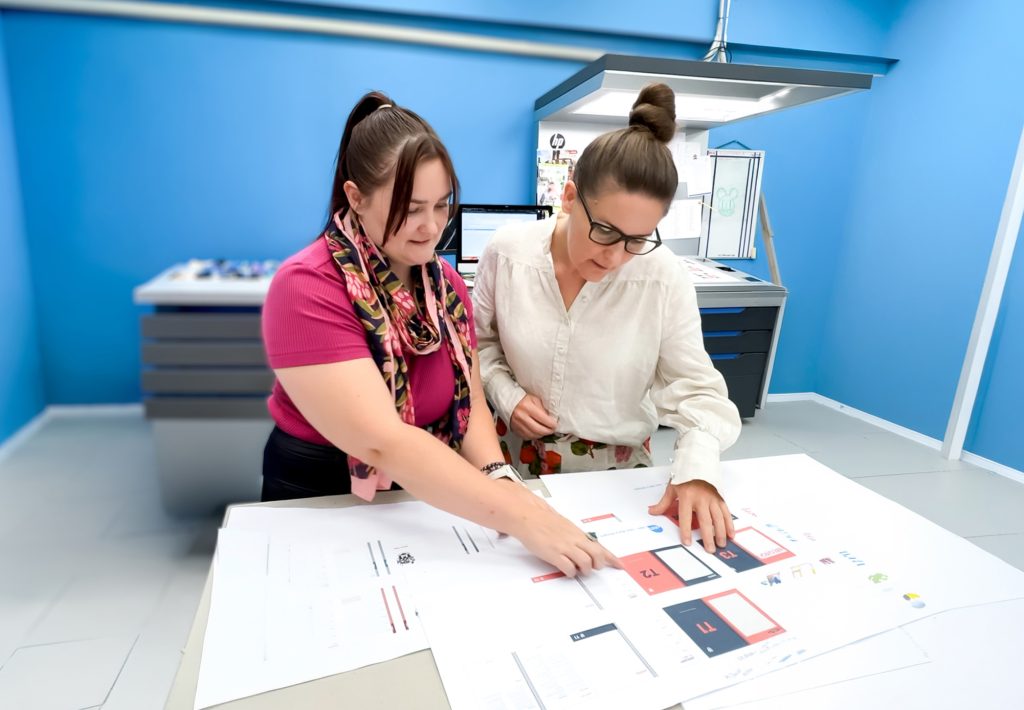
Common issues include using RGB colour mode (for screens) instead of CMYK required for printing, low-resolution images that are below 300dpi which can cause blurry images, missing bleed and not using recommended safe zone margins. These can affect both quality and production timelines.
Many of these challenges come from designing for screen rather than print. Having guidance early, during file preparation, helps to ensure the final result matches expectations.
Taking the time to prepare artwork correctly ensures a smoother process and a more accurate final outcome.

What should I look for in a long term print partner?
A strong long-term print partner provides consistency, reliability and a deep understanding of your brand over time. The relationship should evolve as your needs change.
The most successful partnerships come from consistent communication and shared expectations for stronger brand alignment and more efficient production over time.
The right print partner doesn’t just deliver individual jobs, they support your brand’s ongoing growth and consistency.
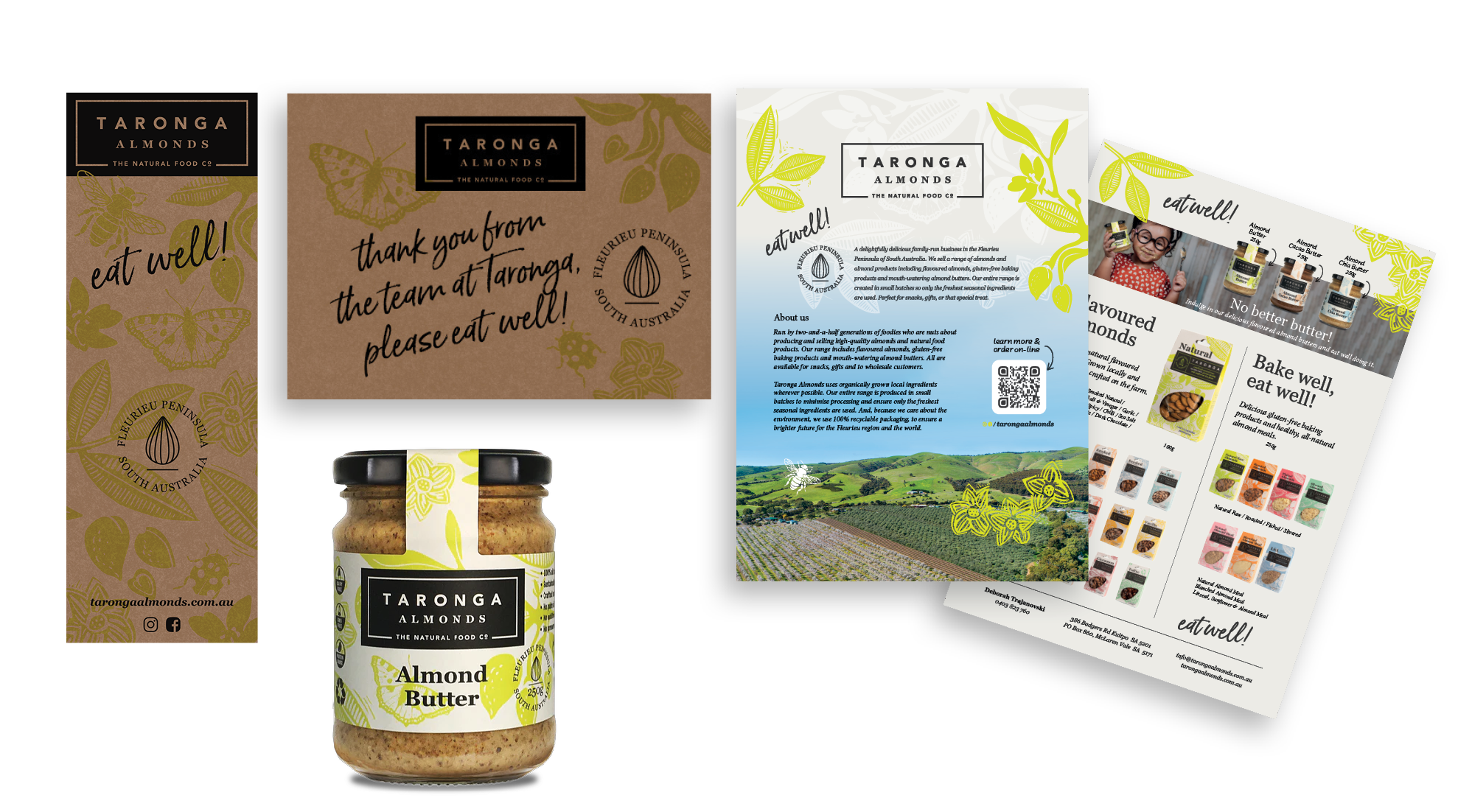

The team at OBH Print are always friendly, quick to respond and incredibly easy to work with. They make the printing process straightforward and are always happy to assist with any questions or requests. OBH has produced our entire SPELD SA decodable book range, consistently delivering an excellent result. We are always very happy with the finished products and the level of service we receive. The team is receptive to feedback and is always willing to work with us to meet our timelines. We would highly recommend OBH to others.
Hannah Virgin.
Retail Coordinator – SPELD SA



Where tradition meets innovation, we are your trusted partner in print and design
2-14 Paul St, St Marys SA 5042